
Buying guide · Tianhua Transformer engineering team
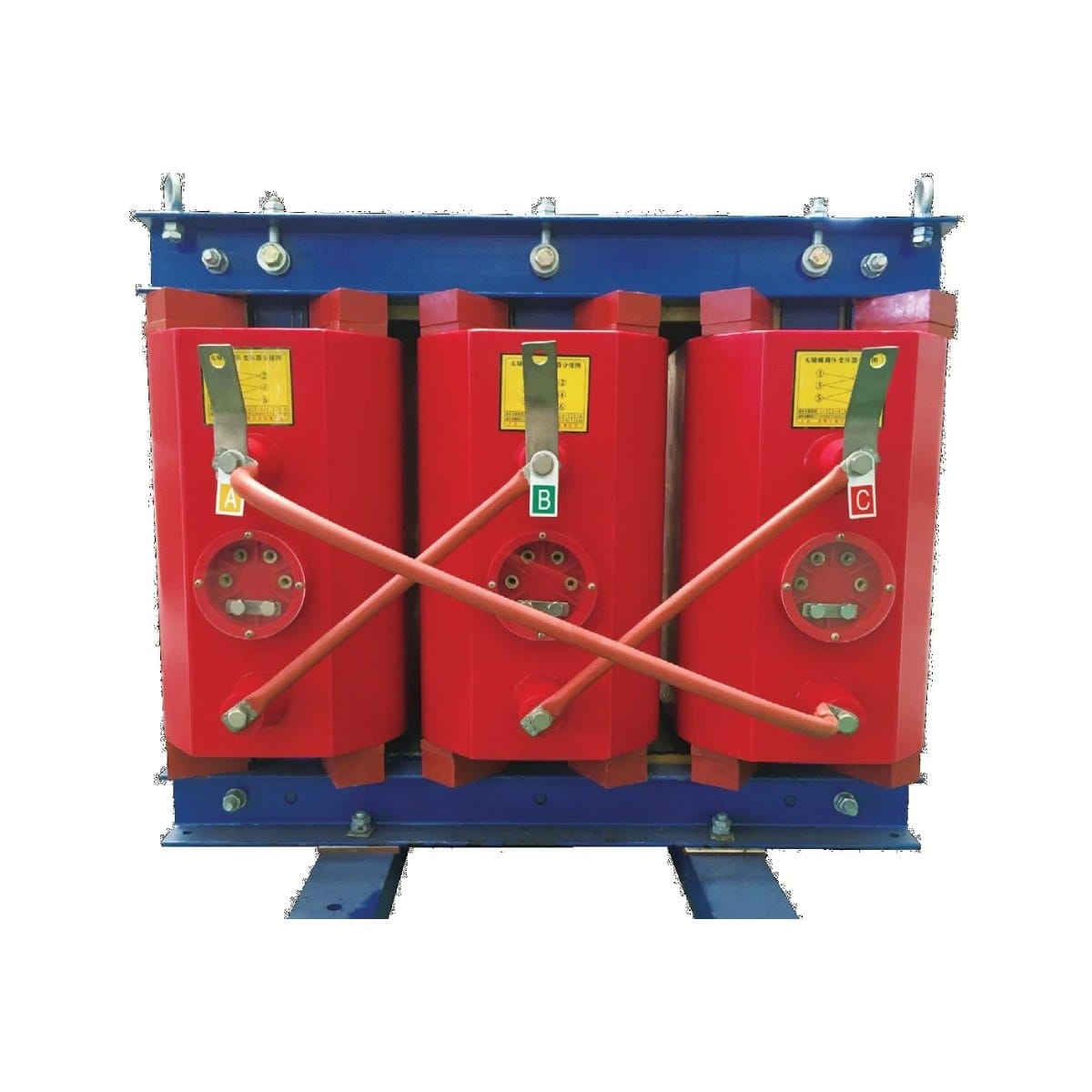
Renewable plants need step-up transformers designed for inverter duty: low losses at partial load, harmonic-rated windings, electrostatic shields and often a double-split LV winding so one transformer serves two inverters. Tianhua builds single step-up units and integrated step-up substations that combine the transformer, MV switchgear and PCS for solar, wind and battery storage plants.
Inverter output (typically 0.4–0.8 kV) is stepped up to the collection voltage of 10, 20, 33 or 35 kV, then to the grid through a power transformer.
| LV side | 0.4–0.8 kV inverter output |
|---|---|
| MV side | 10, 20, 33 or 35 kV collection voltage |
| Designs | Double-split, single LV, pad-mounted step-up, integrated skids |
| Types | Oil-immersed, dry-type or pad-mounted |
| Integrated | Transformer + RMU + LV cabinet, optional PCS, from 0.5 MW upward |
| Grid step-up | Power transformers 35–220 kV |
| Double-split | Single LV winding | |
|---|---|---|
| Inverters per transformer | Two, isolated from each other | One, or several in parallel |
| Typical use | Central inverter solar plants, BESS PCS blocks | String inverter plants, small systems |
| Benefit | Fewer transformers, independent operation of each half | Simpler and lower cost |
Solar transformers run lightly loaded in the morning and evening and are idle at night, but they stay energised. Low no-load loss therefore saves energy every hour. Battery storage transformers charge and discharge, so the design must handle power flowing both ways.
For faster construction, an integrated step-up substation combines the transformer, ring main unit and LV cabinet, and can include the inverter or PCS, in one skid or enclosure from 0.5 MW upward for 6–35 kV collection grids. It is tested as a unit in the factory. Read the compact substation guide.
Wind step-up transformers are designed for variable load, vibration and, offshore, a corrosive environment. Give the turbine output voltage, the collection voltage and where the transformer will sit (nacelle, tower base or outside).
The collection network feeds a main step-up power transformer, usually 110 kV or 220 kV, often with an on-load tap changer to meet grid code voltage requirements. Read the power transformer guide.
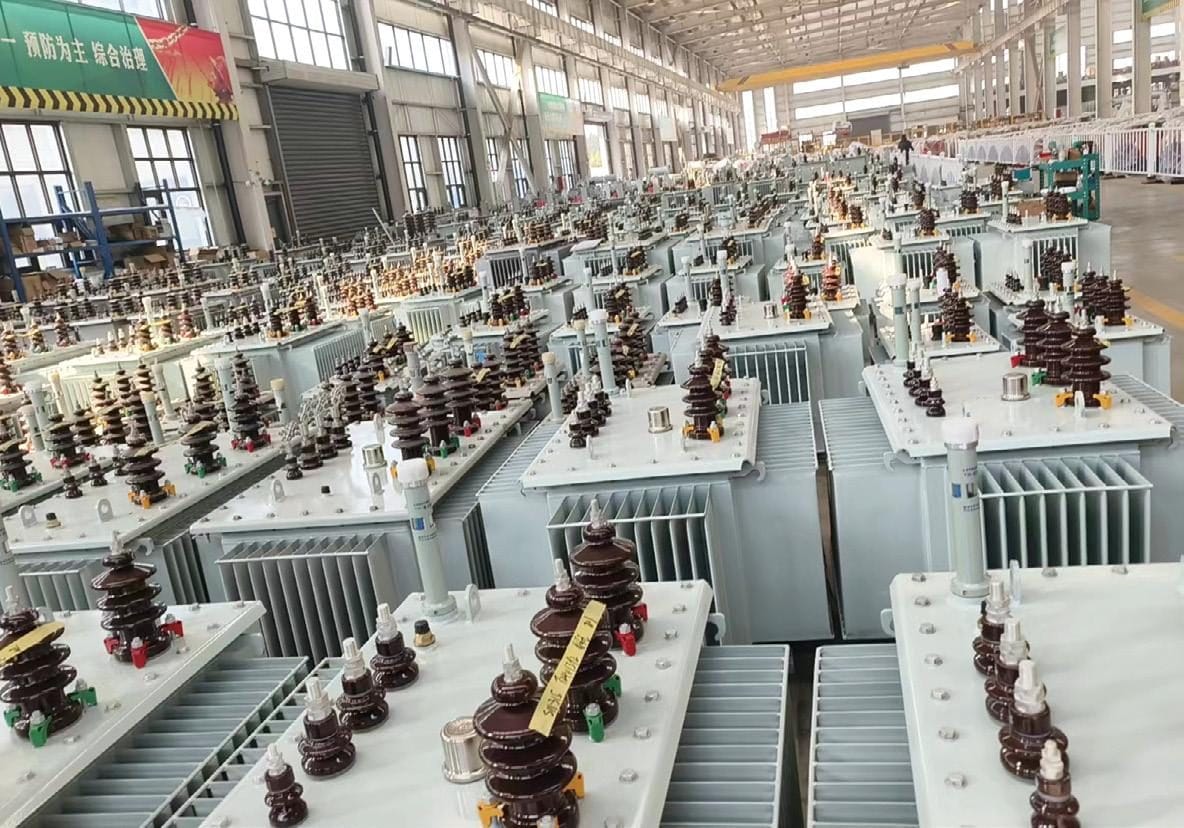
This guide is written by the engineering team of Jiangsu Tianhua Transformer Co., Ltd., a transformer manufacturer founded in 2013 in Xuzhou, Jiangsu, China. Every unit is designed, built and tested in our own 107,000 m² plant: core cutting, winding, drying, resin casting, tanks, radiators, assembly and testing. You deal directly with the factory engineers.
About Tianhua · Factory and testing · Certificates · Projects
A transformer with two LV windings that can run together or independently, so one unit serves two inverters.
Yes. Integrated step-up substations can include the PCS, transformer, RMU and LV cabinet in one enclosure.
0.4–0.8 kV on the inverter side and 10, 20, 33 or 35 kV on the collection side.
They stay energised day and night but are fully loaded only for a few hours, so no-load loss is a large part of their lifetime energy cost.
Yes, BESS transformers are designed for power flow in both directions during charging and discharging.
Yes, power transformers from 35 kV to 220 kV and up to 360 MVA.
Products
Send capacity, voltages, standard, quantity and destination. Our engineers reply with a datasheet and price within 24 hours.
Written by the Tianhua Transformer engineering team, Xuzhou, China. Last updated November 2026.